There Is No Single Way to Teach
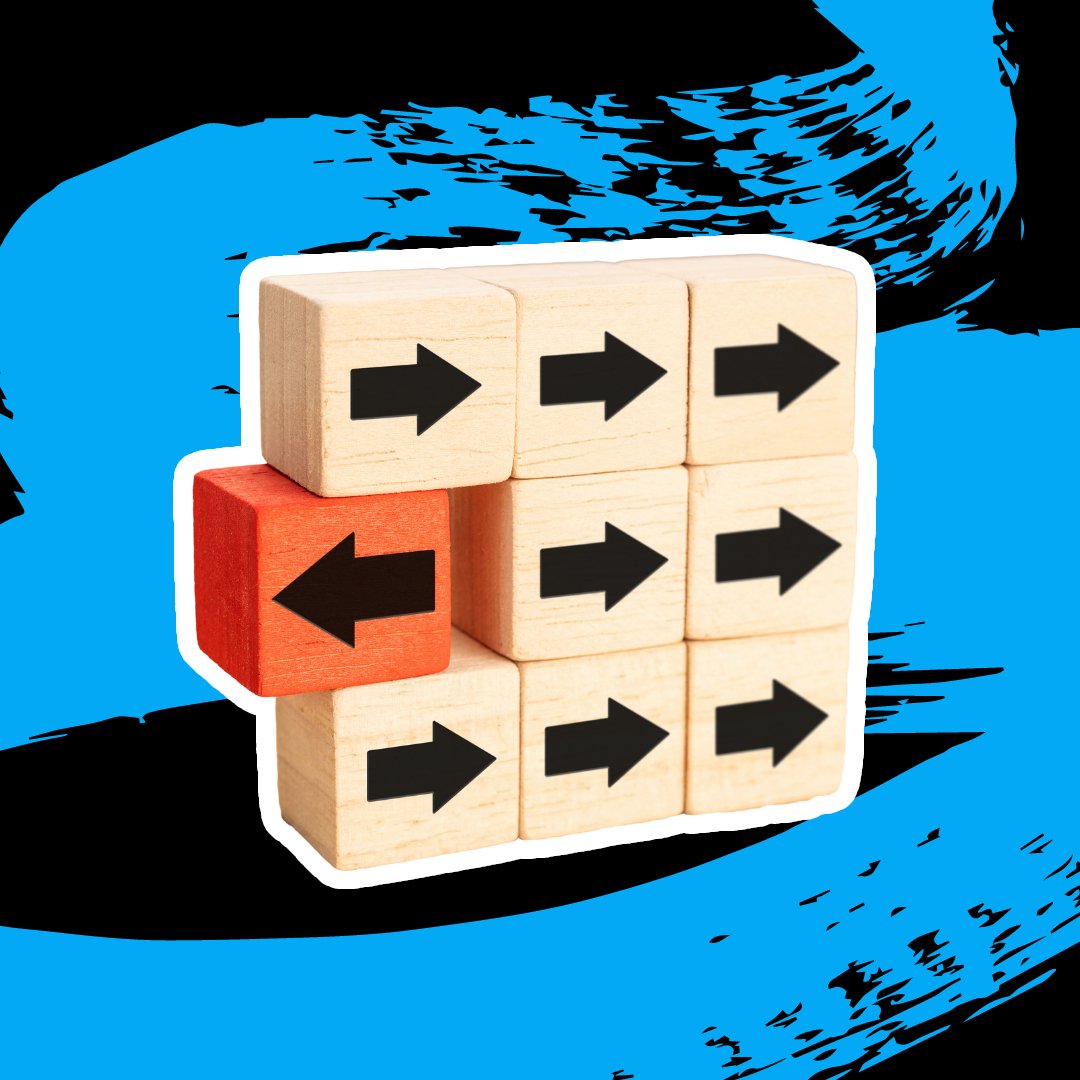
Since I started teaching in 1996, I have always asked myself how I could improve the learning process of my students. Over the years I have experimented with different ways of structuring a lesson and I have realized that there is no teaching strategy that works all the time.
In martial arts, we are often used to thinking that teaching means showing a technique, explaining it and then letting students repeat it. It is certainly a useful method, especially when introducing new material, but it is only one of the tools available to us.
The lecture-style lesson
The most traditional approach is the frontal lesson, where the instructor presents the material and the students reproduce it.
It works well when we need to build a common foundation. It is also the typical approach when teaching precise sequences, such as kata. The instructor presents and organizes the material, while the students reproduce it.
Directed training
We can then move to directed training, where the instructor continuously observes the work and intervenes to modify it.
Think about focus mitts, Thai pads or fencing drills where the instructor does not simply show what to do, but directly guides the way the student performs the exercise.
Here the instructor becomes an active part of the learning process and can immediately adapt the work to the student’s needs.
Simulation
A third approach is simulation. In this case, the instructor prepares the context, establishes the conditions and controls safety, while the student has to use what they have learned to make decisions.
In self-defense, this can mean building a situation that includes pre-confrontation, escalation, confrontation and what happens afterwards.
The more uncertainty increases, the more the student has to use what they have learned autonomously.
Choosing the strategy
These approaches can coexist within the same lesson. We can demonstrate a technique, guide its execution and then place it into a situation where the student has to use it without knowing exactly what will happen.
Part of an instructor’s skill is knowing which strategy to use and when to change strategy.
The next time you teach, observe your lesson from this perspective. Ask yourself: am I mainly explaining? Am I directing the work? Or am I creating the conditions for the student to make decisions and act?
The answer can tell you a lot about the type of learning experience you are creating.
If you want to explore your teaching approach and develop more effective teaching tools, contact me for an individual consultation.